
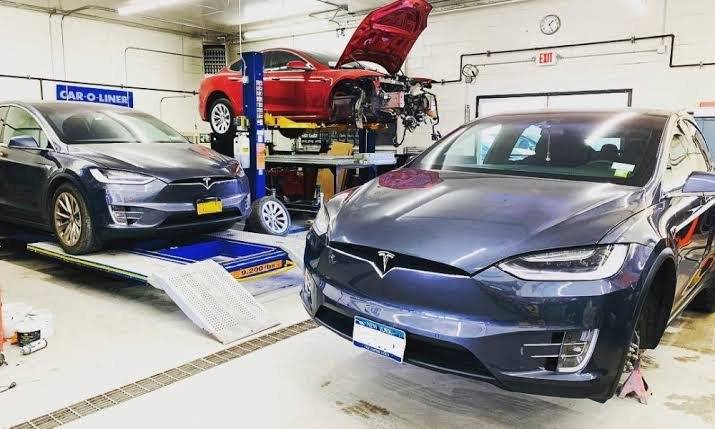
Although they can require less regular maintenance, electric cars are not impervious to recurrent problems. Certain Tesla problems might be caused by expensive, challenging-to-diagnose parts that rely on electrical and software systems. Owners can identify warning signs by knowing which problems can recur after an initial repair.
Battery and Charging Issues
One crucial part of an electric car is the battery pack. Reduced range, interruptions in charging, alerts, or strange battery behaviour are possible issues. If the underlying cause is not correctly identified, a problem with charging equipment, connectors, cooling systems, or battery management software may recur.
Owners should document temperature conditions, dashboard alerts, charging habits, and the occurrence of symptoms. Technicians can use this information to assess if the issue is isolated. Records can differentiate between a singular incident and a persistent flaw that needs to be looked into.
Electrical and Software Faults
Electronic controls play a major role in modern Teslas. After a reset, issues with sensors, cameras, displays, connectivity, or driver-assistance features might reappear. A brief improvement does not always indicate that the underlying issue has been fixed.
Repair orders, diagnostic results, software versions, and correspondence with the manufacturer or service provider should all be preserved by owners.
Suspension and Steering Concerns
Defective parts, normal wear, and road conditions can all cause problems with steering systems and suspension components. Knocking noises, uneven tyre wear, vibration, or handling changes are some symptoms.
Owners should enquire as to whether related components were inspected if a component is changed but the symptom persists. Replacing the malfunctioning component without treating the root cause may lead to more visits and costs.
Body, Trim and Door Problems
Door handles, windows, seals, trim, panels, and other body parts may cause recurrent issues for some owners. Even tho these errors might seem insignificant, they can become annoying if they keep happening.
Water leaks require special attention. Electrical systems and interior components may be impacted by persistent moisture. When recording recurrent flaws, photos and dated documents can be helpful.
When Repeated Repairs Matter
Repairs made repeatedly do not always indicate a manufacturing flaw. A closer look might be necessary, tho, if there is a pattern of similar failures, repeated attempts at repairs, extended vehicle downtime, or serious safety issues. Invoices, work orders, pictures, diagnostic reports, and repair invoices should all be kept by owners.
Additionally, it is helpful to determine whether a component has ever been fixed or replaced, as well as whether any manufacturer programs, warranties, recalls, or service bulletins may be relevant.
How Margarian Law Can Help
Margarian Law is a legal practice that handles cases pertaining to automobiles and consumers. Legal experts may assist owners in understanding their options in cases involving recurring unsuccessful repairs, persistent vehicle defects, or disagreements over warranty rights. The type of defect, the documentation, the applicable law, and the specific circumstances all influence the advice. Instead of depending only on verbal reports, owners who are thinking about taking legal action should keep pertinent records.
Conclusion
Recurring car problems can result in significant expenses, inconvenience, and uncertainty, especially if the problem reappears after multiple attempts at repair. Determining what went wrong and what was done to fix it can be aided by keeping thorough records and asking service providers for concise explanations. Owners should be aware of their warranty and consumer rights and seek appropriate professional advice if Tesla problems continue despite numerous repairs.
Leave a Reply